
How The Coronavirus Pandemic Will Change the Way We Travel
Jazmine Donerson • July 10, 2020
Traveling in a post-coronavirus world will not be the same as before.
Trips will return, but they won’t be the same. With the entire travel industry on hold and no clear answer about when things will return to normal, one thing we know for sure - traveling in a post-coronavirus world will not be the same as before.
Experts agree that travel will return gradually over the course of months, if not years, and people will probably stick to local destinations for a while. Initially some people may want to take vacations closer to home and prefer long weekend stays and drive-to destinations. Train travel may be an option, but road tripping allows you to have more control over your environment and avoid contact with strangers.
Hotel Arrival
When people do start traveling again, they’re going to be cautious at first. Many brands, like Marriott and Hilton, have announced heightened standards for hygiene and cleanliness. For hotels to be successful, they need to clearly communicate to their guests what they are doing to keep travelers safe.
Some suggestions include placing hand sanitizers at entrances to the restaurants, elevators, spa, and in restrooms, frequent disinfection of the elevator control panel and staircase handrails, deep cleaning of kitchen areas and buffet tables, and providing masks and gloves upon request.
At the Airport
We can expect airports to ramp up health screenings in the fight against the coronavirus. You may see no-contact temperature scanners and COVID-19 tests using finger pricks. Some airlines have announced that passengers and flight attendants will be required to wear face masks on flights. Immunity passports may also be an option, but medical experts are still unsure if people who recovered from COVID-19 are immune.
Airports will need to rethink everything from security lines to baggage carousels as they assess spacing for traveler safety. Zone boarding may also be more strictly enforced. Some airlines have blocked off middle seats and are putting passengers in every other row, but they’ll have to find other solutions when demand for travel starts to pick up again.
Cruise Travel
The cruise industry is going to have the greatest challenge. Cruise lines are going to have to make a very deep commitment to rethinking the business model of high-volume cruising. The cruise industry has always pitted destinations against one another. Now, destinations could create limits on the number of passengers that can disembark. Cruise companies may have to alter itineraries and reevaluate the embarkation and disembarkation process to avoid herding passengers and continue social distancing.
Overtourism and Sustainability
In addition to limiting the number of cruise passengers disembarking, we may start to see limits on the number of visitors allowed to access historic sites and how long they’re allowed to stay. Some of the world’s most famous museums already require timed admissions to reduce overcrowding. Other museums and attractions may follow these guidelines.
Economic Fallout
The economic fallout of COVID-19 is not only affecting the travel industry, but many travelers who have lost their jobs. This in turn may lead to travelers taking less, but more meaningful vacations. As the world begin to travel again, we must all do our part and remember that we must learn to be patient and keep in mind that travel is not a right, but a privilege. Travel will return, but we need to listen to the advice of the experts and continue to shelter in place until the time is right.

Blog

Discover renewed vision of Colesville Travel and our thoughtfully curated group journeys for women who value culture, connection, comfort, meaningful experiences.

Explore Lisbon, the Algarve and Porto while discovering Portugal’s Black heritage, beaches, wine, food and cultural experiences. Learn about Colesville Travel’s Portugal group trip
Plan group trips with ease using Colesville Travel's Adventure Ambassador Program. Let us handle the details for a memorable experience!
Compare the value of a travel advisor vs. online booking. Get personalized service & expert support for your next trip!

Learn to manage travel anxiety with expert tips. Enjoy stress-free trips again! Contact us for personalized travel planning.
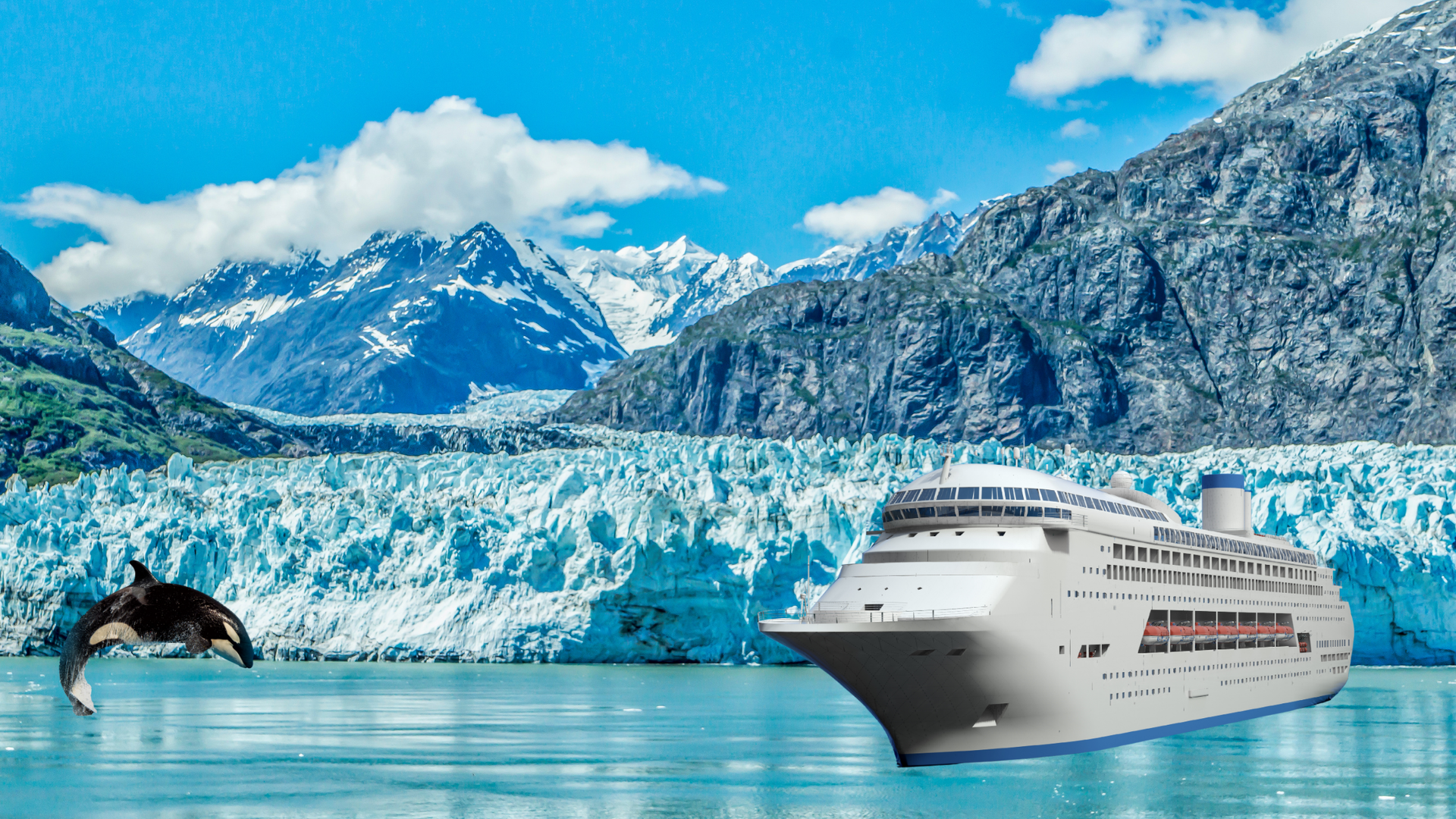
Explore the best times to visit Alaska, cruises, & Northern Lights. Plan your adventure with us today!
Learn why international travelers are hesitant about U.S. visits due to rising costs & complex entry. Contact Colesville Travel for insights!

Explore luxury trips in U.S. national parks & beyond. Contact Colesville Travel for your next unforgettable getaway!

Learn how to enjoy vacations in bad weather with smart tips. Prepare for rain & make the most of your trip. Contact us for help!
Cultural context enhances travel experiences. Engage respectfully for deeper connections. Contact Colesville Travel for your next trip!